
Guide
Fitness fundamentals for everyday physical activity
These notes explain what regular activity is for, which qualities training tends to develop, and how to think about progression, rest, and goals without treating one routine as universal.
The role of regular physical activity
Physical activity is any movement that asks more of your body than rest does. It includes structured exercise and ordinary tasks such as walking to the shops, carrying groceries, or taking the stairs. Repeated activity supports the capacity to do those tasks with more ease.
How much is appropriate varies from person to person. A useful starting point is activity you can repeat next week, not the hardest session you can imagine. A fundamental still has to make sense on an unremarkable Tuesday.
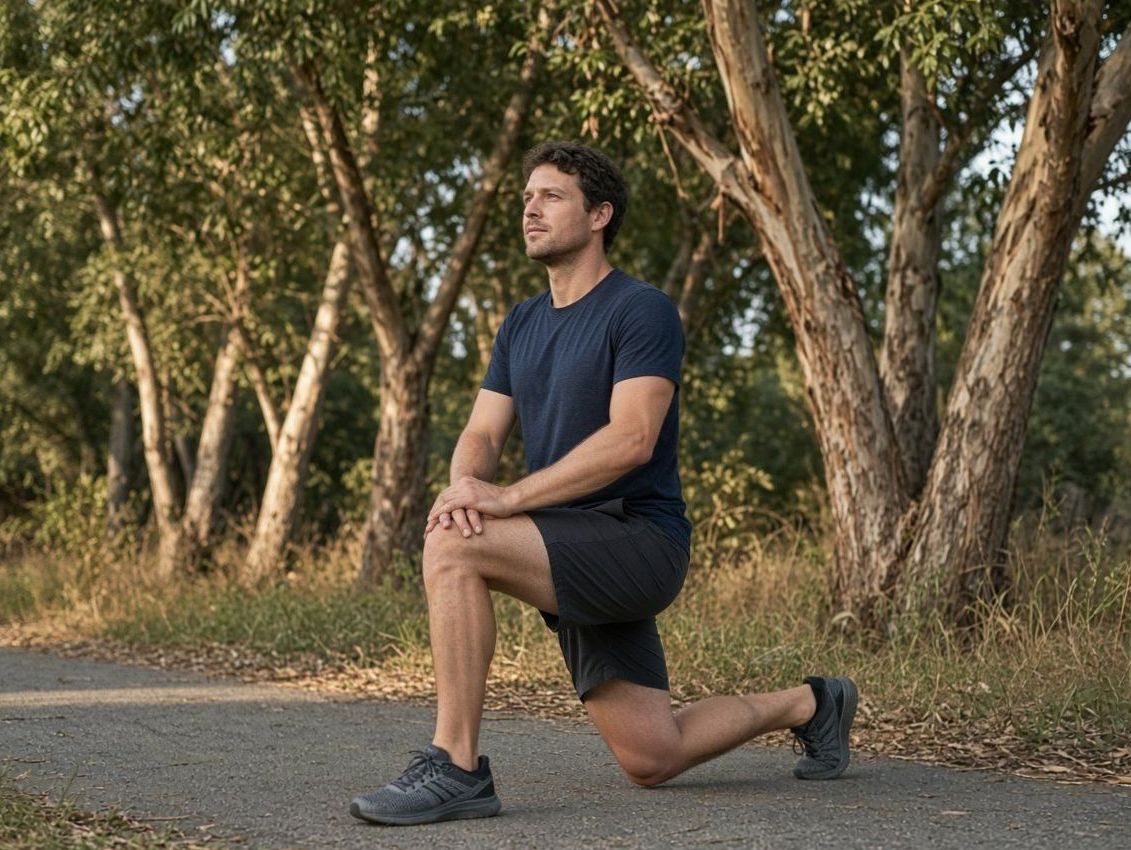
Components of physical fitness
General fitness is often described through a few related qualities. A week of training does not need to chase all of them at once. It does help to notice which one you have been ignoring.
-
01
Strength
The ability to produce force, such as lifting a box or pushing yourself up from the floor.
-
02
Endurance
The ability to keep moving, whether that is a long walk or a series of repeated movements.
-
03
Mobility
The range you can enter and leave under your own control, not simply how far a joint can be pushed.
-
04
Coordination and balance
The ability to organise a movement, change direction, and stay steady while you do it.
Strength, endurance, mobility, and coordination
Strength work uses resistance: your body weight, a dumbbell, a band, or another load you can control. Endurance can grow through continuous activities such as walking, cycling, or swimming. It can also grow through strength work that uses more repetitions, provided the technique stays organised.
Mobility practice might be a few deliberate minutes for the hips, the upper back, and the ankles. Coordination shows up when you practise a movement slowly enough to place your feet, brace, and breathe, then add speed or load only after the pattern feels familiar.
The strength and movement page goes further into technique, balance, and how the same pattern can be made more supported or more demanding.
Consistency before complexity
A simple plan you follow tells you more than a complicated plan you restart every Monday. Consistency means the activity still fits when the week changes shape. That might mean a shorter session, a different time of day, or swapping an exercise for a bodyweight version you can do at home.
Gradual progression
Progression is a small increase in training stress: a little more load, a little more range, a few more minutes, or a cleaner repetition. Changing several things at once is a common reason people feel wrecked or lose confidence. Increase one variable, keep the others familiar, and give the new version time to feel ordinary.
There is no single timeline that suits every person. Use your recent sessions as the reference, not a chart written for someone else.
Rest and recovery
Muscles, joints, and attention need time between harder efforts. Rest can be a day away from structured exercise, an easier walk, or an earlier night. Sleep, food, and stress sit outside the workout and still affect how training feels.
Sharp, worsening, or unfamiliar pain is a reason to stop that movement and seek appropriate advice. It is not a cue to push through.
Adapting activity to personal circumstances
Equipment, space, shift work, caring responsibilities, weather, and previous experience all change what a sensible session looks like. Adapting is part of skilled training. A shorter walk in warm weather, a quieter strength session during a busy fortnight, or mobility work on the living-room floor can keep the habit intact.
Realistic and sustainable goals
Set goals you can observe. Completing three short sessions this week is something you can confirm. Transforming a body by Friday is not a plan. Sustainable goals leave room for a missed day without declaring the effort over.
For a closer look at routines, rest, and expectations, read healthy training habits. If you have a question about the material on this site, contact Jarevi.